Hello and welcome to my blog! My name is Michael, a trained musician and teacher of music. Here I will be sharing my thoughts, research plus experiences on my life as a music teacher and musician.
All opinions expressed here are my own
How should we teach genre for improvisation in secondary school?
In this series, I will present parts of my dissertation, ‘What strategies, activities and methods would help develop the teaching of music improvisation in UK secondary school education?’. I aim to give you insight into my improvisation research by informally presenting my findings, opinions and thoughts. It may start a discussion into the justifications, merits and advocations for music improvisation or completely put you off and double down on why improvisation should be left out of music education. Either way, I believe its a meaningful conversation to have.
Can improvisation be taught with or without attachment to genre? It’s a question that presented itself to me during my research, and I had yet to give any thought until the ‘Genre Wars’ surfaced. When I learned to improvise Blues music, I understood that the Blues pentatonic scale, compound rhythms, and 12/8 or 4/4 shuffle rhythms were key to unlocking the Blues ‘sound’, not that I knew any of this as an eleven year old! It wasn’t until much later that I learned theory and listened to more music that I separated improvised music with genre; knowing how to improvise over many genres helped me in my improvisation languages.
Ed Sarath is a researcher and musician who came up often in my Masters. Through the recommendation of Tim Palmer, I began reading his work and was delighted that somebody viewed improvisation as a pedagogical tool. Sarath’s work often refers to a method he developed that advocates for a genre-less approach to improvisation pedagogy, the ‘Trans-stylistic’ method. Sarath describes Trans-stylistic as teaching improvisation ‘outside the context of stylistic aspects’ (Sarath 2009, 1), allowing ‘style elements to manifest as a by-product of the creative process.’ (ibid). His advocacy of the Trans-stylistic method is intended to assist ‘creative exploration and analysis and reflection on a wide range of modal-tonal-post-tonal pitch systems and rhythmic practices’ (Sarath 2018, 80) in addition tothe study of music that embraces ‘training in aural performance, movement processes, history, culture, aesthetics, cognition, and mind-body integration.’ (ibid).
Sarath latter speaks to my early experience as an improviser but what I like about Sarath’s approach is it works around learning about genre/style without explicitly learning about genre/style, picking up stylistic aspects through osmosis, citing Hindustani music as part of a collective/formation from different musical cultures that are either ‘style-specific or ‘stylistically open’ (Sarath et al. 2016, 88). It might be easy for us to pigeonhole stylistic improvisation i.e. 50s Hard Bop or Baroque figured bass once we reach an advanced level of musicianship, but if educators want to introduce improvisation in secondary schools, genre might be challenging to understand when there is no grounding of musicianship or harmony reference. Extending the creative process makes it relevant to traditional and contemporary improvisational music (Sarath 2018).
Looking at teaching improvisation like this does have advantages. In theory, musicians would study music not based on genre or style, and understanding improvisation could be greater than the sum of its parts; Students could approach music without confronting barriers associated with a lack of musicianship skills or understanding of how genre defines improvised-based music.
‘The Connect Report’ by Renshaw addressed the former, which has shades of Trans-stylistics, promoting music in the ‘cross-arts, cross-cultural, cross-sector, formal and non-formal contexts’ (Renshaw 2013, 4). Both principles aimed to unite both models ‘make music in a genre-free ensemble, where its musical material reflects the shared interests of the leaders and participants’ (Ibid, 5) and ‘be able to speak a number of musical ‘languages’ simultaneously’ (Ibid). The report promoted the benefits of the Connect model enabled genre-less improvisation to support technical skills and ‘significantly increases motivation and enjoyment.’ (Renshaw 2013, 6) in the learning. Though both models could work in secondary education contexts, more research on the success of engagement and outcomes of learning in secondary school music is required instead of publishing a list of successful musicians loosely tied into the promoted models (Sarath 2009).
A genre-less approach to secondary teaching might be farfetched for teachers accustomed to genre practice, but teachers familiar with ‘post-genre music-making (Hargreaves, Miell, MacDonald 2012, 244) will benefit from the facilitation of ‘multiple improvisatory languages’ (Sarath, Myres & Campbell 2016, 58-59). To advocate a broader practice of improvisation in secondary curricula, we could consider how genre is used in improvisational pedagogy. Genres such as Jazz, Hindustani, or Early Music taught in a ‘post-genre’ context can use ‘exploration and analysis and reflection on a wide range of modal-tonal-post-tonal pitch systems and rhythmic practices.’ (ibid, 59), fitting in with the new wave of music making and the traditional. (ibid). If students were to learn ‘post-genre’ improvisation at secondary, they would need to learn about different genres to transcend genre boundaries.
The Model Music Curriculum’s references to improvised recordings from their ‘Repertoire in Context’ section could help promote improvised music as a starting point for educators to introduce improvised music (DoE 2021, 61). Structure and reference points will still be necessary for teaching secondary improvisation. Many secondary students will need reference points when improvising, meaning genre must be referenced one way or another. It would be up to the teacher to decide a context in which their students will improvise and teach the characteristics of the context.
Hargreaves, David John, Dorothy Miell, and Raymond MacDonald. 2012. Musical Imaginations. Multidisciplinary Perspectives on Creativity, Performance, and Perception. Oxford University Press.
Renshaw, Peter. “Simply Connect: ‘NEXT PRACTICE’ IN GROUP MUSIC MAKING AND MUSICAL LEADERSHIP – A REPORT BY PETER RENSHAW.” https://www.musicalfutures.org/. The Paul Hamlyn Foundation, July 2005.
Sarath, Edward. 2009. Music Theory through Improvisation. A New Approach to Musicianship Training. Routledge.
Sarath, Ed, David Eugene Myers, and Patricia Shehan Campbell. 2016. Redefining Music Studies in an Age of Change. Creativity, Diversity, and Integration. Routledge.
Sarath, Ed. 2018. Black Music Matters : Jazz and the Transformation of Music Studies. Lanham, Maryland: Rowman & Littlefield Publishers.
What does education and research say about improvisation?
In this series, I will present parts of my dissertation, ‘What strategies, activities and methods would help develop the teaching of music improvisation in UK secondary school education?’. I aim to give you insight into my improvisation research by informally presenting my findings, opinions and thoughts. It may start a discussion into the justifications, merits and advocations for music improvisation or completely put you off and double down on why improvisation should be left out of music education. Either way, I believe its a meaningful conversation to have.
‘the nature of music education should reflect the very nature of music itself.’
Philpott & Spruce 2012, 60
Music improvisation can play a significant part in the methods musicians use to create music, and in some cases help define characteristics for professional careers and allow musicians to express themselves as a creative voice in their field. According to Bailey, music improvisation is ‘the most widely practiced of musical activities and the least acknowledged and understood’ (Bailey 1993, ix). As someone who has engaged and taught improvisation, there is an element of truth. I can explain the tools used to improvise in a given context, but it will only partially demonstrate how that improvisation came to be. We must identify and explore why Philpott/Spruce and Bailey’s maxims have any weight before considering improvisation at the heart of secondary school education (Elliot, Silverman, McPherson 2019).
Is improvisation in UK secondary schools deemed unnatural and misunderstood? Given musician’s awareness of improvisatory music both in performance and conception, it seems remiss to not consider improvisation’s qualities as ‘practical, fluid, conversational, dynamic, subjective and persuasive’ (Palmer 2023, 39), a natural representation of knowledge and creativity over a ‘formal objectification of the composed score’ (ibid). The conflict secondary school education has with improvisation and its relationship with the ‘composed score’ or Western notation could be due to the relatively easy-to-measure success and progression that notation affords. Traditionally, students learn a piece by practising how accurately they can replicate it. The teacher helps in the practice process, and then at some point, they or the examiner grades a performance based on the piece’s accuracy (it’s a rather simplistic take on it, I know!). How does improvisation fit into this process? We could start by incorporating improvisatory methods in the learning process by eliminating improvisation’s battle to get noticed as a valid form of music making (Heble and Laver 2016).
Secondary school improvisation’s place at the dinner table should not come at the expense of other learning. However, improvisation academics such as Ed Sarath believe improvisation expands students’ ‘spectrum of skills and understanding’ but to the detriment of existing curriculum content (Sarath 2018, 5). This thinking would drive improvisation further away from secondary education, creating barriers to its inclusion.
A less dogmatic approach could come from allowing student ownership of music making, expressing themselves by finding moments to improvise in the music, thus demonstrating musicianship skills (Healy, Lansinger Ankney 2020). The teacher can allow students’ ‘musical improvisation experiences’ (Healy & Lansinger Ankney 2020, 6) as a by-product of their confidence in improvisation pedagogy and support the current curriculum/exam board’s needs.
Sounds nice, doesn’t it? To win over the sceptical, those not entirely convinced of improvisation merits will take much work. This is where teachers and educators well versed in improvisation can help by sharing best practices and how to plan improvisation in their teaching. This will take time to embed, and further convincing to ask teachers to devote some teaching time to improv. For any strategy, activity and method to work, improvisation at the secondary school level must be embraced, with arguments for it going beyond experiential benefits. I’m also aware that placing responsibility onto students to produce music through improvisation opens criticism on the quality of improvised performances; ergo, improvisation pedagogy must be at the same standard as other subjects in secondary music and education in general (Wigram 2004).
Improvisation must exist based on the merits it brings to secondary music education. But what if those merits justify it as a ‘soft’ musical skill, something ‘happy-clappy’, an afterthought or something not to take too seriously as opposed to a ‘hard’ academic, studious skill? One perception of improvisation is that it promotes holistic qualities which are at odds with academic rigour and the measurement-based model of attainment in secondary (Philpott, Spruce 2012), therefore not trusted enough to ‘hold’ objective knowledge’ (ibid, 58), which is easily quantifiable and less subjective when it comes to assessment. Music improvisation would gain kudos from secondary teachers and educators if the same rigorous assessment standards were used. It also helps teachers and educators feel comfortable knowing the grade boundaries of student improvisational quality, particularly when giving feedback to students, parents and heads of departments/senior leadership. Perhaps the notion of music which is conceived ‘on the spot’ may have ‘soft’ connotations, but if modelled well and promoted as a challenging skill that can be objectively proven to demonstrate musical knowledge and creativity, more so than reciting notated music, then improvisation may have a chance of being worthy of its place in secondary school teaching.
The Model Music Curriculum’s (MMC) description cites improvisation as ‘Creating and inventing music in real-time, i.e. ‘on the spot’. (DoE 2021, 57). Improvisation’s role in a composition is summarised to ‘Explore melodic line and simple structural ideas’. (Ibid, 47)
The problem I have with the MMC’s description, in comparison to how they describe the teaching of music history, performance and composition, is there are few references to strategies, activities and methods to help us teach improvisation, save for improvisations should be accompanied by a groove or chord progression. (DoE 2021) or students should ‘experiment with the use of sound and silence as well as anticipated and unexpected musical moments.’ (Ibid, 51). The latter is true but regarding its suggestions, not all teachers will know how to play a groove or suitable chord progression for student improvisations. The description also restricts improvisation to groove-based harmonic music. What about other genres and musical cultures which use improvisation without this? (more on genre later in the following chapters).
Another issue with the MMC’s description is its vagueness and a presumption that improvisation is inherent, as is having musicianship skills (Heble and Laver 2016). Not all secondary students will have a ‘strong awareness of key’ (DoE 2021, 54). The MMC also negates the practice students must do to develop improvising skills and does not consider the impact of the learning environment or other factors affecting the development of the improviser, such as ‘motivation, self-efficacy and constancy in exercising’. (Biasutti 2017, 3). For students to know how to ‘Take the listener on an original musical journey.’ (DoE 2021, 54) with improvisation. We are talking about an innate skill here, but improvisation is carefully planned and prepared (Biasutti 2015, 2).
The BBC’s Bitesize definition, ‘Improvisation – with instruments,’ shares a similar definition of the MMC but elaborates that genre/style is a factor and the importance of musicians responding to each other when improvising. Bitesize also explains that improvisation occurs through melodic embellishment and re-harmonising chord progressions. (BBC Bitesize 2023). Though, a more accurate description of music improvisation is an expression of ‘creative behaviour’ (Biasutti 2017, 1), where interactivity and real-time changes occur based on the musical situation one finds themselves in. Like human interaction, the improviser needs ‘real-time answers to situational events’. (Biasutti 2017, 2). Biasutti’s description illustrates the creative challenge, thought process and human connection to an impromptu performance. If the Department of Education were to consider the complete picture of music improvisation, they might deem their description a little light and add to describe improvisation in secondary education.
Reading list:
Bailey, Derek. 1993. Improvisation: Its Nature And Practice In Music. Da Capo Press.
Biasutti, Michele. 2017. “Teaching Improvisation through Processes. Applications in Music Education and Implications for General Education.” Frontiers in Psychology.
Elliott, David J., Marissa Silverman, and Gary McPherson. 2019. The Oxford Handbook of Philosophical and Qualitative Assessment in Music Education. [Electronic Resource. Oxford Handbooks Online. Oxford University Press.
Healy, Daniel J., and Kimberly Lansinger Ankney. 2020. Music Discovery : Improvisation for the Large Ensemble and Music Classroom. New York: Oxford University Press.
Laver, Mark, and Ajay Heble. 2016. Improvisation and Music Education. [Electronic Resource] :
Beyond the Classroom. Routledge Studies in Music Education: 3. Routledge.
Philpott, Chris, and Gary Spruce. 2012. Debates in Music Teaching. [Electronic Resource]. Debates in Subject Teaching Series. Routledge.
(Palmer) Philpott, Chris, and Carolyn Cooke. 2023. A Practical Guide to Teaching Music in the Secondary School. [Electronic Resource]. Second edition. Routledge Teaching Guides. Routledge, Taylor & Francis Group
Sarath, Ed. 2018. Black Music Matters : Jazz and the Transformation of Music Studies. Lanham, Maryland: Rowman & Littlefield Publishers.
Wigram, Tony. 2004. Improvisation. [Electronic Resource] : Methods and Techniques for Music
Therapy Clinicians, Educators, and Students. J. Kingsley Publishers
Why Choose Music Improvisation as a Research Topic?
In this series, I will present parts of my dissertation, ‘What strategies, activities and methods would help develop the teaching of music improvisation in UK secondary school education?’. I aim to give you insight into my improvisation research by informally presenting my findings, opinions and thoughts. It may start a discussion into the justifications, merits and advocations for music improvisation or completely put you off and double down on why improvisation should be left out of music education. Either way, I believe its a meaningful conversation to have.
When I started my PGCE, most lecturers would always suggest that I should teach something I enjoy and am knowledgeable about; great unless you like Norwegian Black Metal mixed with Yoko Ono.
The same advice went for my Master’s research. Fortunately for Trinity Laban, I’m not knowledgeable on Black Metal (I am on Yoko) but I do know about music (and drama) improvisation! Since I was at school, music improvisation came easily to me. As I went through music colleges and conservatoire, I found myself drawn to its limitless possibilities for creating music, connections forged with musicians and benefits of solving musical problems. I was never the best at sight reading. Still, I could always improvise my way out of any situation and impress musicians with my speed of thought, divergent thinking and knowing what to play in any given performance. I surrounded myself with other musicians and performers who improvised for a living, but only when I became a teacher did I encounter a problem; music improvisation was seldom used. In fact, only 5% of music teachers entering mainstream UK music education comes from an improvisation background.
At first I thought I could work with this, and I understood that my musical training and background differed from the 95% entering the profession. But as the years rolled on, I developed a mini existential conundrum about my worth as a teacher. Is my skillset valued in secondary teaching? Does education believe in improvised music? Am I a poor teacher because I don’t come from a Western classical background? What is it that’s stopping me from teaching improvisation?
This conundrum took shape in an assignment where I worked with Taichi Imanishi on a ‘Learning Mentor’ project, designed to help my confidence in pursuing my vision of how to be a music educator. It also made me reflect on my tiny idea about developing my music improvisation pedagogy and, most importantly, having the confidence to teach it to my students.
Although I laid out my plans for developing my improvisation research in a pre-enrollment phone call with my programme leader (which I will say was utterly spontaneous, surprising myself when I spouted my plans!) I was still determining how I would research secondary improvisation, let alone whether it was a worthy enough topic in the first place. As fortune would have it, I was invited to attend the Dordogne Jazz Summer School before starting the MA Teaching Musician programme. Having worked as a ‘mini-professor’ at the summer school a few times before, I was excited to go back and catch up with old friends, but I also sensed an opportunity to carry out an informal bit of research to document students experiences learning music improvisation at secondary school, to test if researching music improvisation had any merit. You can view my Vlog research ‘ Improvising VLOG at Dordogne Jazz Summer School’ part 1 & part 2 here.
The findings were fascinating from those I interviewed both on and off-camera. I concluded the following:
Experiences of learning improvisation in secondary came from a ‘self-taught’ background. No one was taught how to improvise by their teachers or music departments.
Improvisation in secondary school has been less prominent in my experience, with limited opportunities to learn and develop as improvisers and teachers.
When learning improvisation, developing an extensive musical vocabulary is crucial to improvise. This vocabulary can be linked with stylistic attributes regarding genre (more applicable to advanced improvisers)
The benefits of learning improvisation at secondary school would have enabled interviewees a better chance to develop as improvisers in their careers.
My observations, hypotheticals and interview contributors were a revelation and provided enough confirmation to make music improvisation in secondary schools my dissertation topic. The pilot project’s findings gave me a path in how I go about my quest for developing music improvisation in secondary by filling in a knowledge gap between improvising pedagogy and secondary music education.
Suppose the experiences shared by students at Dordogne Summer School were anything to go by; in that case, secondary education needs to take advantage of the chance to cultivate current students’ improvisational skills to benefit early career development and advocate improvisation as a valuable skill in secondary education.
I set out to create the research project with a few ground rules:
Don’t reduce improvisation as an autotelic exercise.
Refrain from creating competition in secondary music curricular and co/extracurricular teaching.
Help play a role in standardising improvisation and pedagogy for teachers, departments and educators to teach improvisation.
Give teachers and educators tools to help devise schemes of work.
Be a spokesperson for music improvisation in the teaching community.
Help inspire others to have the confidence to use music improvisation in their teaching.
Researching this topic would be difficult as I may encounter apathy, challenges to established practice/identity, lack of improvisational knowledge and definitions of improvisation. But I was up for the challenge and as you will read in later instalments in this series, discover the many intricate layers I encountered researching music improvisation in secondary schools.
This blog was adapted for my latest Music Teachers Association’s magazine article, Ensemble.
I was asked to contribute an article for the Music Teachers Association this month on innovation in music teaching, specifically how my MA helped me create new teaching and research approaches. I couldn’t help but think, ‘I hope I don’t stray into self-indulgence, that somehow my Master’s study enabled me to pull bunnies out of hats every week and sit on the Solomon Burke throne of my innovative excellence’, it wouldn’t hurt to get this reaction from the teaching community.
And I certainly would not want this reaction…
‘Sir! Your improvisation lesson is proper minging!
Innovation is something us music teachers should never stray away from, we should celebrate and be proud of the creativity we produce on a daily basis, no matter the influence. This blog explores how my Master’s study helped me examine my motives for personal innovation and how we should strive to create and re-create for the benefit of our teaching practice, the community and our students.
innovation is our model
Musicians and teachers are well and truly blessed when it comes to studying and admiring innovators, those who shaped our industry and provided templates for creating, producing and performing music for us to follow. Whether it was Bach’s use of tempered tuning to expand the sonic range of Western harmony, Edison’s Phonograph, the first commercial device to play recorded analogue sounds, George Martin’s production of the Sgt. Peppers album, pushing the limits of four-track recording, Jaco Pastorius taking the frets out of his 1962 Fender Jazz Bass to redefine what a bass virtuoso is and J Dilla’s use of the Akai MPC3000 to humanise sampling, to name a select few.
Whilst we admire the innovations of our favourite artists and composers, how many of us consider the innovators in music education? Émile Jaques-Dalcroze and Sarah Ann Glover for their research on how kinaesthetic skills and gestures helped us sight sing and internalise music without the need for notation. How about Christopher Smalls, who uncovered that ‘musicking’ is a byproduct of the performer/composer or Ed Sarath’s work on creating improvisational pedagogy to learn music theory, and Kenny Werner teaching us how to be effortlessly masterful by using mindfulness, making us aware of the inner struggles and unrest when making music. Whilst we never stop to think about the musical innovators we preach to our students, we must also remember that music teachers possess the power to innovate uniquely.
why innovate?
When I started my PGCE at Middlesex University, Sir Ken Robinson’s ‘Changing Education Paradigms’ speech was one of the first videos played to my cohort. What struck me was how this speech seems at odds with the educational climate. Robinson’s address might be provocative to some, but its tenet of education needing to modernise for a world ready for constant change is as necessary now as it was when I first saw it in 2014. Does education value innovation? Nick Gibb, Minister of State at the Department for Education, has a pragmatic view of innovation from his secondary school experience. Changes to education in the mid 1960s to late 1970s hampered his education and left an impression that change was only as good as proof of the intended outcome. Gibb’s view should not be confused with sticking to tradition, but as he puts it, “If someone comes along and says phonics is great but there is this other thing, X, and it works better than phonics, then I will go on that course and see the evidence.” (Tes.com, 2022)
Though I know nothing of the educational landscape at Gibb’s time, I can relate to his necessity for innovation in education, backed up by research. Before my Master’s study, I long held onto an idea about developing my teaching of improvisation. Still, I was too afraid to do anything about it, thinking that improvisation skills should be left to further and higher education programmes. Only when that idea became a full-blown voice in my head shouting, ‘Do something about it!’ did I investigate this and found that the teaching of music improvisation was largely absent from secondary schools, thus beginning my research into developing improvisation in schools.
When I started playing music, I was motivated by finding new ways to compose and perform, and perhaps like many young musicians, I took the less obvious path in pursuit of a new one. The same was true when I started my PGCE, trialling new lesson planning and delivery methods. The problem with these approaches is that one can easily lose sight of the task; how many reinventions of the wheel would it take to stop spinning? How to find the balance between functionality and creativity in music teaching? Studying and researching is one way of forcing yourself to innovate your practice whilst improving your skillset. In Trinity Laban Conservatoire’s MA Teaching Musician programme, I learned the significance of innovating through rigorous scrutiny of my research and ideas, invigorating my motivation to innovate my teaching practice.
the culture to innovate
Without making this article sound like a promotional piece for the MA Teaching Musician (Dr Rebecca Berkley runs a brilliant MA Education programme at the University of Reading as well!), committing my time, patience and energy to see how I can innovate my practice was the number one reason to study.
Finding innovative approaches to improvisational pedagogy split into two camps, do I want to fill a knowledge gap, or do I want to prove a theory? Provocations like these are imperative to innovation, especially if one desires transformation. This is where the Teaching Musician programme excelled, designing assignments to work in situations that compelled you to find or make your conclusions of innovative practice. Without my experience working with Phil Meadows at the National Youth Jazz Orchestra, I may not have been inspired to research what strategies, activities and methods the music teaching community uses for improvisation, or at the very least, suggest getting Michael League of Snarky Puppy to do a workshop over a few beers! Or the ‘Technology in Music Education’ assignment, which pushed my rationale for technology’s use in music teaching and remote learning, also seeing my Year 4’s use technology as an instrument to make music in ways they probably would never have used if using ‘traditional’ instruments. I also researched other academics, seeing how music academics have found their innovations.
Pamela Bernard’s research on the salience of silence in performance revealed that a performer’s use of silence (rests, phrases, space etc.) could be equally defining to their sound as the pitch/rhythm they play. There was also Dave Camlin’s research that music operates in three dimensions; the ‘performance’ (performer, music), the ‘participator’ (audience, culture) and between these two, the ‘paramusical’ (binding the latter two together).
a rationale to innovate
Then there is my dissertation on what strategies, activities and methods are most effective when teaching music improvisation in secondary schools. The innovations came from the survey questionnaire and interviewees, who were kind enough to share their approaches and thoughts when teaching improvisation. Some surprising results came from improvisation used for devising performance, the neuroscience behind obtaining improvisational language and reasons why music education has yet to embrace improvisation. One aspect from the unpacking of my results suggests that improvisation could be viewed as a renegade to music education, going against how music teaching is structured and dominant towards notated music. If we choose to be innovative, there must be a cost in introducing new approaches, and if we need proof that some innovations could benefit us, we need to account for the risks in equal measure. This is something I consider as I embark on my motives for promoting music improvisation.
Having the privilege to be up close and learn from current innovators in music research is something I never thought possible. I have experienced what innovation can do to music education, and it has set me on a course of discovery and a lifelong purpose to find my innovations. Although improvisation in music is not innovative, developing its pedagogy as part of my new department could kickstart unique and stimulating ways to make music. It may inspire other departments to do the same and find their innovations. Whilst I ride the wave of creative euphoria, balancing my ambitions to innovate and not alienate others will be imperative. Innovation can come at a cost, particularly if one creates too much change in a short space of time. Innovators had to sacrifice time and energy and experience many failures and rejections before their idea(s) became excepted.
The best innovations we music teachers can make is to enhance our experiences as musicians by shining a brighter spotlight on them. Much like my concept of conveying my improvisation skillset to my students, I would not have known my innovation was part of a burgeoning community of like-minded music educators who care profoundly about developing improvisation in education. Innovation, therefore, is a choice we make dependent on our values and ethics. Not all innovations you make during your career must be paradigm-shifting, but they will be beneficial to the people who matter the most, your students.
Final thoughts
In a high-pressured and political profession such as teaching, the risks of change and creativity must be met with trepidation and proof that new ideas can make a significant impact. It is also worth noting that you do not need further study to develop your creativity. A search on Twitter, Facebook groups or attending various conferences can provide the spark to innovate as it did for me when my mentor Marion Friend suggested looking into the Teaching Musician programme to solve my existential quandary of spinning wheels, creatively speaking.
Further study helped me understand the untapped potential of the latter two in music education and gave me the headspace to incubate my ideas and platform to share my findings with my peers. You might be fortunate enough to create new approaches to music teaching that have a similar influence to Jaques-Dalcroze and Glover et al. or create something that benefits your school for many years. The question is, how innovative do you want to be? And if you want to transform, how willing are you to defend your ideas? And what will be the impact on you and your students?
On the morning of Tuesday 22nd February, at about 7am, one of our Ukrainian borders came to the door; she looked worried and distressed. At first she said she was not feeling well, then I realised something terrible had happened. Putin's army fired the first bomb in Kyiv, and officially declared war. I rushed to my wife, also Ukrainian, to break the news; we sat on the bed in shock, realising the last eight years of occupation in the Donbass and Crimea areas, Putin's 'frozen conflict' was now thawing into full-bloodied aggression against civilians.
These last two weeks have been a test of how to live a life knowing loved ones are in danger. Regions close to us have had communications cut off and water, electricity, gas and food supplies. We have rallied our students most affected by the war, made phone calls to parents and discussed with various SLT staff about how best to support our students who need our help. I also have to think about my wife. She shows the defiant yet compassionate characteristics seen by ordinary folk in Ukraine. Her courageousness to support students despite her own worries about family has been nothing short of inspirational.
Understandably, priorities have shifted now. Things that seemed important before no longer matter. There’s a numbness to how I go about my day as I try to avoid news and social media posts, I only ask if my family are safe and when can I speak to them again. For those curious about what it is like to be involved in a war, its an overwhelming feeling of fear, helplessness, survivor guilt and sometimes a bizarre 3rd person perspective when others talk about the war. When my colleagues discuss the finer details of geo-politics, Nato stratagy or what was recently reported in the news, it feels like they are talking about the latest Netflix special. The worse is when you get those awkward stares, I sense people just don’t know how to act around me.
To block outside distractions, I use strategies to get through the day, such as this mantra, ‘I am blessed to work in a music/drama department where students want to learn from me’. It shows me what I sometimes miss and keeps me focused on what students present to me, even those who don’t fully engage with my lessons. There have been moments where I think to myself, ‘I’m about to crumble here’. I breathe deeply and put all my energy into delivering my lessons and commit fully to what my students create in a lesson.
Despite the war, life must go on. Celebrate the victories when you can and yes, I am missing a P!
Healthy distractions, such as instrument practise (currently transcribing Jaco’s solo on ‘Havona’, why didn’t I do this at Conservatoire?!!) and the always enjoyable blasting of my late 70s Vox AC30 through my Gibson CS339 guitar and Beano Boost pedal help tremendously. It feels great to be in my final year of Masters and begin my dissertation, I hope I can carry out the last piece of research and realise my topic in a way that will make a huge difference in music education. Most importantly, if it wasn’t precious enough before, the time spent with my wife is even more special. Just a simple walk along the beach with our dog meant everything, no distractions from work, no planning of Wednesday P8 drama, no thinking of how to write the trombone section in my ensemble, just us, and the beach.
I find it hard to rationalise what’s happening in Ukraine. Still, music and my teaching have given me what I need. I find myself searching for goodness in the human spirit. Young people have this in abundance. This week I had my KS3 students perform in a ‘Band Night’ concert, we initially had loads of bands performing, then one student dropped out and then rest followed. I was quite upset because I was tasked with leading the concert and figured the seven groups left might also call it quits. Not only were they super keen to rehearse during break times, they fully committed to our tech runs and really wanted to make a show, which they did. Coupled with a live audience (something we haven’t had since lockdown) meant the concert was a success, I cannot remember having this much fun when running a concert.
KS3 Band Night
I thank my excellent students, our girls in the boarding house, and various colleagues at school for their support in helping my wife and me during this time of crisis. If anyone has been affected by the war, and wants to reach out to me, please drop me a message. Peace and love to you all x
By now, music teachers and educators will be busy preparing for a new term. This might include thinking about how the year will be mapped out, which schemes of work will be used for different year groups, planning resources or, in my case, looking into the various ways I can use my vintage Vox AC30 in lessons (aside from when I teach ‘Killer Queen’ to my GCSE classes, a given of course).
In preparation for the upcoming academic year, I have loads more new ensembles. At any given time, this would be fine, except that it has been quite a while since I ran a proper ensemble/group. By going over previous recordings, notes, charts and memories, I started to feel invigorated by the prospect of retaking ensembles. I relished the challenge to re-establish music as a movement to bring students together and test their skills and character to achieve the collective spirit that had been taken away from them. With that in mind, I present my take on how to run ensembles and groups:
make Your ensembles/groups as inclusive as possible
One of my leading ensembles, the Modern Music Ensemble, consists of the usual contemporary instrument lineup (Rock/Pop rhythm section, brass, woodwind etc). As the ensemble grew in popularity, I got requests for an additional bassoonist, two horn players, vibraphonist, percussionist who all wanted to join. Out of these, I personally invited about half as they expressed to join an ensemble where they would get to have a more individual voice and not be lost in the orchestra shuffle.
By diversifying the personnel in MME, I learned to make my ensembles more inclusive, not an ‘exclusive club’ to fit the conventional needs of music associated with the ensemble. This gives students the chance to perform in concerts, gain valuable experiences, and hopefully develop their ‘life-long learning’ journey with music and the instrument.
Another factor I consider essential, yet some may feel insignificant, is the name of your ensemble. I inherited MME as ‘Junior Jazz Ensemble’, which had been the name even before my predecessor. Still, I thought there are two problems with this name: a. It’s limiting; only intended for Junior musicians? b. It’s limiting; we’ll only cover jazz material?
Thankfully, the original name, ‘Super Fun Happy-Clappy Ensemble’ was nixed by my better judgment. The title ‘Modern Music Ensemble’ felt much more appropriate. The new name suggested that we’d cover music out of the jazz bracket. However, I still arrange jazz standards. The title would incorporate anyone who plays an instrument in the school, regardless of junior or senior school. It’s been a joy to see the older students mentor the younger ones and see their work in other groups and ensembles.
The main remits for ensembles/groups are to develop students musical understanding and entice confidence from them; having such an eclectic mix of instruments yields some pretty cool music!
Arrange the music to fit your musicians
This links with the above point but focuses on your musicianship and arrangement skills. I had an eclectic mix of instruments when I started working with MME; all varying in ability and experience. Though this is not unusual with school groups and ensembles, I found that my differentiation skills were tested when creating parts for my students. When organising the music and rehearsals, the best advice I could give would be; arrange your music for the musicians you have. Part of the fun with my Guitar Club is getting individuals to play the bassline, chord progression, main and counter melodies.
Tell your friends, and parents
My frontline grew by students coming along and then inviting their friends, where once I worried about the lone flautist, now I have four of them! It goes without saying that your students will keep coming back because their friends come along too. My Ukulele groups were full of students who wanted to play and learn with others, which made the atmosphere very welcoming and turned into a quasi-social gathering with Ukuleles. Like a class full of George Formby’s but minus the Yorkshire accents. My colleague supplements their clubs with sweets. It helps create probably one of the best atmosphere’s I’ve seen in extra-curricular activities. If there is a chance to do the same (especially as most clubs go into lunch or after school), having a little sweetener, pun intended, wouldn’t go amiss. As for parent’s buy-in, if they see their child enjoying your ensemble/group, they’ll support what you do. Convenient when you reach a busy term and need students to participate in upcoming concerts.
Encourage student participation and suggestions
Students are your best teachers; they can be some pretty boss MD’s too! Every group and ensemble I run always has an element whereby I promote student’s ownership of what we do. These could be song suggestions (though I drew the line on ‘Baby Shark’ by one of my year 11’s), ideas for performances, fundraising or even how to recruit more students. For the improvisation aspects of some ensembles, I offer options for the groups to explore during the sessions such as scales to use, rhythmic devices etc. But by far the most popular is arrangement, trickier in a larger ensemble but undoubtedly doable. By getting students to arrange the music, they get to build how they want the piece to sound and makes my life much easier, knowing 50% of the work is done by them.
Make your ensembles/groups the best event in the school
We have a lot going on in our school, tons of clubs and activities. Just this year, I will be running at least seven clubs and ensembles on top of my timetable. Students are very much spoilt for choice in a good way, so if you plan to run your extra-curricular make sure it stands out from the crowd. I had MME perform in assemblies in previous years, Ukulele clubs play impromptu Christmas songs during registration and showcased Music Tech clubs in science lessons. Now I’ve moved onto editing videos made by students and asked for them to be uploaded to the school’s YouTube channel. Music has a remarkable ability to be the perfect ‘shop window’ product when promoting the cultural heartbeat of a school, go and show the rest of ’em how excellent your work is!
Know your keys and clefs
‘So the next part is G, A Bb, F, A…oh that’s not it! Ahh I mean concert G, A Bb, F, A….hang on, you’re Bb right? and you’re F…’
It’s quite normal to get keys, clefs mixed up, and I do it all the time (bass clef to treble is my favourite). Early on in rehearsals, when I’m working with MME, I establish a concert key as the base where I teach the parts, pushing aural skills and pitch translation. I will revert to the section’s clef when needed, but I make sure that all students know what note I’m showing them on their instrument.
Where possible, capture their efforts
The byproduct of the virtual world we find ourselves in, but a massive benefit from what the pandemic did to us as a department, was to move our recitals online, streaming them live. This meant student recitals and concerts will be on the school’s YouTube channel for family and friends to watch, or otherwise would have disappeared into memory (I’m thinking of Easter ’18 where MME absolutely nailed ‘Thing of Gold’). Now, there are safeguarding issues around this, so if you’re thinking of uploading your ensemble or group, make sure you get the OK from your SLT and share them on a platform like YouTube, or one where there are parental controls on content.
If you didn’t want to go down the video route, start a social media account (linked with your school) where you can upload pics of what your group are doing. I appreciate the great work other teachers, workshop leaders and educators do with ensembles worldwide and often get my ideas this way, like a high school class covering a De La Soul classic.
Experiment, don’t be afraid to try something new
Remember when I said to embrace the unconventional instrumental lineup in an ensemble? Well, by doing so, one has no other choice but to go with something unconventional. The decision to learn ‘Thing of Gold’ with MME was quite daring, and to my knowledge, I cannot recall any other UK music teacher doing the same at school. Before you read this as smug, hear me out. What I mean is it felt new and daring to play something from the Snarky Puppy canon with this age group. It had plenty of chances to fall apart, and students could have outright rejected it, but I’m glad they didn’t. They embraced it because I felt confident in performing it, and I was very keen on broadening their musical pallet.
I also use my ensembles and groups to try out new pedagogical stuff, testing if ideas work and then applying them to my classes. My latest endeavour will have me and my students work on some exercises and methods based on Ed Sarath’s ‘Music Theory Through Improvisation’ book, which I hope will give me helpful data when I start my final year project on my Masters programme.
In sum, ensembles/groups play such an essential role in allowing music teachers to do what they were trained to do, giving back to future generations and allowing students a chance to play and study music at the very best of their ability. More than ever, music teachers and educators can play a significant role in establishing cultures again in schools. Here’s to you providing opportunities for students to pick up where they last left before the pandemic.
This year sees the start of my MA Teaching Musician ‘Block B’ programme. As part of the four assignments I must complete, this post is copied from my forum content where I am required to (required to? Sounds more serious than it reads!) post my thoughts on one of the Contemporary Theorists covered by the visiting lecturers. Juniper Hill was introduced by Dr Pam Bernard to us, and from Dr Bernard’s wonderful presentation to her work, created quite a stir in American music education.
Having read Hill’s book ‘Becoming Creative: Insights from Musicians in a Diverse World’ I was struck by the care and detail given to what we might perhaps take for granted as experienced professional musicians/educators, creativity. This blog is a quick peek into this idea, and one where I hope to explore Hill’s research over time. Let me know your thoughts in the comments sections.
——–
Juniper Hill organises creativity in succinct areas. Emphasis is placed on motivation as the force behind creativity, funnelling through ‘psychological traits and emotional states. These are, according to Hill, broken down into four sections.
Her study focused on the importance of how the student perceives their potential of developing musical competence. [2]
I find it fascinating yet daunting to think of creativity as categories, fascinating in the sense that to be creative, one must acquire the first three sections before engaging in the fourth but daunting because of the organisation/planning for this in a classroom of individuals. The first section has been observed throughout my teaching career and goes some way to explain why some students struggle to connect with music and lessons, as they may not identify themselves as an ‘active music maker,’ i.e. Musician, performer, orchestral member, chorister (UK English definition).
Once the student clears the first section, I can envision how the other ones are obtainable but understand that if any failure/threat to identity is felt, one could question their ‘active music maker’ status through ’emotional states’ lead psychological makeup.
The role of anxiety should be considered when it comes to motivation or the form it takes when going through stressors (fight, flight, free, flock). Indeed, the feeling of anxiety as a negative can ‘adversely motivate musicians not to engage in certain creative activities, both on specific occasions and in general.’ [3] If anxiety is experienced, then inner feeling or voice may serve as a warning sign or handbrake, forcing the student not to take creative risks or play it safe to avoid ridicule (also modified by Leech-Wilkinson’s cultural norms highlighted in his book, ‘Challenging Performance’)
Speaking of cultural norms, Hill addresses this further in this chapter by highlighting the benefits of a teaching culture that pertains to a right to be creative, stating ‘every human has musical and creative potential, especially for singing, improvised vocal harmonisation, and songwriting.’ This was concerning a case study from South African Xhosa musicians and contrasted with Hill’s observation of Finnish culture (mentioned earlier in the chapter) who were taught the opposite, [4] a thought that ‘Xhosa musicians may even be disciplined to believe that they can sing’ [5]
Motivation and influence from the music teacher can only go as far as the institution, parental (biological and surrogate) and societal expectations, but Hill’s research offers some substance in the power of culture in identifying themself. Music departments create identities, representatives that show communities who they are and what they represent, and it is this that makes it difficult if creativity or specific musicianship skills do not align with the ‘norm’.
Hill goes on in chapter 5 to describe a way to overcome inhibitions of creativity, justifying the means of confronting challenges outside of one’s comfort zone by ‘confronting unknown challenges, taking perceived risks, coping with the anxiety of risk, creatively using resources, problem-solving’ [6] to the end of these experiences expanding comfort zones and ‘become more willing to step outside them in the future.’ [7]
To what extent does a student need to confront their challenges? Hill cites caution in teachers overexuberance in doing this, the caveat being ‘pushed too far outside one’s comfort zone into an unsupportive environment’. [8] This can be counter-productive to creativity and severely affect self –esteem, and even damaging psychological experiences. [9]
Promoting creativity and the benefits should be treated as a double-edged sword. Reading Hill’s work has highlighted the responsibility and tactile nature one must think of when directing students to become vulnerable in performance. Improvisation, in my opinion, is one of the highest forms of musical creativity and Hill’s research shows me deeper layers to this area. By enticing creativity from students, there must be a process (see the four sections) to prepare them, all in a safe and supportive environment, psychologically speaking, to bring out the best in students.
References
[1] Hill, J. Becoming Creative: Insights from Musicians in a Diverse World, Chapter 3, 67
My word its been a while since I last posted! Probably due to focusing on starting the school term 20/21 and working on my MA Teaching Musician work, either way I neglected to produce any content for my site…can you forgive me?
If you can I guess you’ll continue to read on, and I’m glad you are because as I have handed in all assignments for Block A (currently awaiting grading) and find myself having free time over weekends, but rather than waste it on unlocking all characters from Streets of Rage 4 I’d thought I’d make myself useful and share some new founded knowledge as I reflect on a stellar year at Trinity Laban as well as new skills/experiences learned in my teaching practice.
Now i’m not promising to regularly update as my MTA colleague James Mannwaring does on his influential teaching blog (James, if you’re reading this, collaboration my friend?) nor will I promise to not get distracted by SoR 4 afterall, that Blaze character doesn’t unlock itself huh? But I will make a bigger effort to you to share what I have stored in my head and the pages of research (literally, a few pages) in a handy and, hopefully, informative read for you. With that being said I present to you an assignment come manuscript that I completed late last year, adapted from my Teaching in Practice 2 assignment which was to research creative group collaboration. I hope it provides an insight into how quickly and efficiently we music teachers had to adapt out practice to the current climate and what we must pay attention to for a post- COVID music education landscape.
*Identities, gender and background and other relevant data has been withheld due to anonymity of school and students. This blog has also been edited to fit the theme and narrative of this post.
………
This paper explores how using cloud-based software apps (both music and non-music based) provided students with practical music lessons whilst maintaining social connection and interactivity with each other during the lockdown. The paper will also explore how new remote teaching pedagogy can work in combination with pre-COVID methods to create music, with a focus on the following:
Explore how a constructivist philosophy works within a remote learning framework (The Online Classroom)
Understand how ‘audiation’ is used to model, support and enhance student’s creation of work (The Process)
Observe how ‘explorative talk’ works with audiation when using formative assessment (Assessment and Communication)
By exploring the implications (negative and positive) associated with remote learning in lockdown and teacher training, implications effect on future pedagogy, COVID’s change in perceptions towards creating music and justifications of music in a post-COVID curriculum, this research aims to provide insight into how music educators adapt to a new education landscape for the benefit of students and the subject.
Keywords: online learning; remote learning; remote teaching; digital pedagogy; COVID; music education; DAW; digital audio workstation; Soundtrap; Microsoft Teams; online music education
Case study background
The research shall focus on a Year 7 class*. All students have previous experience using Soundtrap (a cloud-based DAW). This included techniques such as MIDI sequencing, looping and layering parts and for some, use of effect plugins and track automation. The choice for using Soundtrap, other than familiarity and being cloud-based was that students found its user-friendly interface, tutorial videos ease of creating music and collaborating very efficient. The dialogue box and ‘virtual keyboard’ were the most significant selling points, making communication instant for all (Dunbar, 2019) as well as eliminating the need to have external hardware such as an audio interface and MIDI keyboard/controller to use the app, which none of the students had access to at home.
Students task was to create a piece of music in the style of/borrowing from Musique Concrete (Concrete) and present their compositions at the end of the term. How they capture sounds recorded via mobile phone, utilise home surroundings and household appliances to form the basis of their compositions and arrangement; students also had to demonstrate the use of sound editing. Creating the music on Soundtrap and using interactivity of Microsoft Teams (MS Teams) provides the online classroom space for registration, practical work and general interactivity with students.
Due to its relative ease of creating, abstract qualities and no reliance on functional harmonic knowledge to compose, Concrete seemed to be an exciting choice to make, albeit leftfield. There were concerns about its dissonant and abstract qualities though, the concern being students could accept this as a credible way to make music, so rather than focus on stylistic character, encouragement of creating as a group, exploration/experimenting with sounds and emphasis of creating a piece of music (or art) was promoted. Given the class had no immediate access to class musicianship resources, or a teacher to quickly demonstrate any questions relating to this, the choice to compose in the style of Concrete also made the collaborative composition process easier. Planning proved to be problematic when factoring in how to model specific musicianship skills related to melody, harmony and rhythm in the scheme’s timescale and allow time for composing. Besides this, prior learning focused on using these musicianship skills, so a break from the norm was considered better for students to re-engage with making music using different methods.
The Online Classroom
The overview of this term’s lesson structure (five weeks) and content is as follows:
Figure 1: Taken from the authors ‘Making Music using Recorded Sounds’ unit plan
The choice of using a constructivist approach, defined as ‘creating learning conditions that engage students in active learning and in using higher-order thinking to foster personal meaning making.’ (Johnson, 2018, p.186). Furthermore, working to identify how practices are built based on inter and intrapersonal skills, experimenting, evaluating and conclusions which are directed by the students (Scardamalia & Bereiter, 2003) was one of necessity due to lockdown but also for students organise their roles to create their learning environment. Dobson (2019) also alludes to this approach when discussing collaborative work, ‘collaborative music composition requires them to navigate various equipment and process situations, while simultaneously building a shared understanding about what it is that they are creating together’. (p.2)
The constructivist approach felt logical to use considering the circumstances, though for it to work, creating a positive classroom environment is vital. Biasutti (2015) writes ‘students’ satisfaction with online activities relates to their perceived levels of collaborative learning…’ citing factors such as ‘individual accountability, familiarity with team members, commitment toward quality work, and team cohesion’ to be necessary for the environment (p.50).
Using Soundtrap for remote learning also has its advantages. Bauer (2014) states ‘While technology may be a gateway to involve non-traditional students in school music programs, those who are already part of school music classes and ensembles can also benefit from using technology to facilitate the development of their musical creativity’ (p.46). A reasonable statement to make as ‘non-traditional’ students will benefit from using the app in a home environment and have freedom and control to create music to be altered and enhanced at any time, something which can be lost when performing live as inconsistency of musicianship with non-traditional students is often the case.
The Process
The process (a method students choose to create) relied on student groups to actively engage with each other to arrange their Concrete composition using guidance from the teacher. Two methods were demonstrated in these lessons, layering (music-based: similar to an EDM based arrangement, but not specific to bars or meter) and shape (visually based: using the recorded sounds to create a shape of the arrangement, including the colour of parts).
Figure 2: Taken from the authors ‘Making Music using Recorded Sounds’ lesson 2 and 3 PowerPoint
In overcoming the issue of modelling and getting students to understand how they can create compositions, audiation was used to communicate with students (Gordon, 2012 & Bauer, 2014), particularly pertinent when making Concrete.
By using Gordon’s audiation philosophy at the start of lessons, as defined by creating meaning from sounds based upon knowledge and making choices using discriminative and interference learning (2012), students would be more methodical and selective with recorded sounds to the benefit of creating musical ideas (Bauer, 2014). However, this opinion is at odds with what students are tasked with doing in lesson 1 (The contrary being students are actively encouraged to explore and randomly pick sounds to use for their compositions).
The ability to think ‘musically’ when choosing sounds was used when advising some students to pick sounds, with such questions asked to highly able students:
“What references to musical instruments can you hear when you chose your sounds?”
“Does a particular sound remind you of a song or instrument?”
Or to all students:
“When recording sounds, see if you can pick sounds that are low, middle and high pitched.”
Audiation would play a crucial part in modelling sound manipulation, particularly useful in lessons 3 and 4 as students progressed using this to develop their compositions. For instance, demonstrating that adding lots of reverb (wet) could create the sound of being in a church or tunnel, adding distortion to replicate something on fire, or adding chorus with full rate and depth to make something sound like its underwater is more natural to model if one was to use audiation skills. By getting students to experiment with sound manipulation, the aim was that students would make their own opinions or predict what effects may alter the sound (Gordon, 2012).
In Swanwick’s flow chart (Swanwick, Teaching Music Musically, 74, figure 5) audiation works to create music and feed into choices when creating/manipulating sounds. As Concrete forces students to create musical meaning from abstract sounds, students are forced to justify the choices they make but not for the sake of assessment criteria. The expectation is that students will make significant strides in their work when exploring sound manipulation and arrangement, evolving into highly creative compositions.
Assessment and Communication
Use of ‘Exploratory talk’ in conjunction with audiation will be relied upon when communicating with student groups. Dobson (2019) writes that by becoming too demanding and controlling of the learning experience, ‘critical and constructive’ engagement with ideas will not flourish. (p.13). Modelling and justifying the reasons behind the use of specific sounds is crucial in understanding how to make music with recorded sounds—showing that Concrete’s method of music-making is unconventional (in comparison to previous work), but valid.
Figure 3: Screenshot taken from lesson 1 ‘Making music using Recorded Sounds’ PowerPoint. This refers to Contextualising Concrete being an acceptable composition method, links and fusions with other genres that use the methods.
The aim is that students would be drawn to their conclusions and reasons for their work and more importantly, feel free to create something in their image. Communication ranges between explaining using exploration-based feedback:
Figure 4
Figure 5
Use of audiation:
Figure 6
For musicians, encouragement for students to use music theory-based language (Swanwick, 1999):
Figure 6: In response to a question regarding an issue with recorded sounds clashing pitch-wise
Formative student feedback was positive, sincere and encouraging (Bauer, 2014) not to make comments misconstrued as demeaning, negative or not helpful:
Figure 7
Feedback was given in short and frequent bursts. In previous online lessons, too much technical details were given to students, and a majority of this overlooked. By referring to lesson criteria, students can make decisions based on what they wanted to include in their work and gain confidence heading in the right path (Bauer, 2014).
Results
Groups presented their compositions in the last lesson of the scheme and term, before this at around the 4th lesson, one student asked if their group could use imagery/video for their piece which was consented. After deliberation, students were offered the use of images to enhance their compositions. Thanks to this amendment, groups changed their approach to the process, making it more in line with examples modelled at the start of the unit.
Compositions that showed a high level of musicianship, as defined by the following:
Creative use of sounds (looped sounds that resemble some form of musical instrument or melody, harmony or rhythm)
Well-organised structure and use of sounds (sounds were layered demonstrating mono, homo or polyphonic texture and structure referenced binary, ternary, strophic or rondo form)
Creative use of sound manipulation (nondestructive editing such as reverse or time stretching)
Creative use of effect plugins (adding effects to represent the image in some way or technically enhancing the sound)
Groups that demonstrated these points were able to justify their choices regarding arrangement, sound choice and manipulation and elaborate why the images related to their compositions. In some examples, individuals explained the use of stacking effects and how it resembled the image, both visual and audio. This happened when a student described how using distortion and chorus replicated the image of a house burning next to a lake, with the distortion effect representing the fire and chorus representing water.
Groups 2, 7 & 11 also spoke about the sounds directly relating to the images but not in explicit detail as the other groups mentioned. Group 7 explained how their ‘eerie’ sounds captured represented the ghost figure and dark atmosphere related to their picture with the 2nd part of piece intending to be a leitmotif of the ghost, and group 11 described the metallic sounds mixed with effects (reverb and delay) with the horn recording, all replicating sounds heard in a freight train yard.
Groups who produced satisfactory efforts, demonstrating some use of sounds, structure, sound manipulation and effects or demonstrated basic composition/programming skills managed to link compositions with matching images (where applicable) and when critiqued, only needed to make a few adjustments to the number of effects used, arrangement method and sound editing techniques to improve the grade.
Out of the groups, four (11, 7, 4 and 12) contained students who take music lessons or contribute to the music department and made up the majority of students who produced highly creative compositions. A surprising number of groups (those who did not have musicians within them) still managed to produce examples that were musical/artistic, in particular, groups 1 and 2 managed to capture the imagery of a tropical beach with their recorded and sampled sounds with success.
Discussion
The design of this online classroom suffered from little preparation time in comparison to planning for a ‘normal’ classroom lesson. Given the circumstances, it would be unfair to be too self-critical as ‘online learning has many interconnected components and many factors must be considered’, making it ‘hard to provide a straightforward checklist or recipe to follow’ (Ally, 2008, p.134). That said, digital pedagogy is much the same as non-digital, which is ‘essentially personal and cannot be standardised’ and still requires successful educator understanding ‘the need to vary instruction for the diverse range of students in her (their) classroom’. Where new and existing ‘tools and strategies’ can be ‘implemented to help support and encourage students to learn in the online environment through offering personalisation’ (Johnson & Lamothe, 2018, p.229). In hindsight, the components and factors Ally mentioned could have been handled with the same mindset for planning a face-to-face lesson and personalising the lessons; instead, the learning experience was personalised more to fit the remote lesson narrative.
The remote experience did provide valuable insight in how one’s planning of scheme, delivery and monitoring of progression should be adapted in future, with more freedom given to how students interoperate the learning, less focus on the technical limitation’s students shows and whether students have completed tasks compared with the qualitative outcome. Although issues related to the remote teaching experience were expected, these issues could have been anticipated. These include a clearer checklist of sound manipulation devices to use (including effects), links to videos that further prove how they can be used, and more time afforded to the modelling of arrangement either as a class or for specific groups and support in selecting and organising recorded sounds. Directly recording from device to Soundtrap was thought to result in poor audio quality but turned out to be irrelevant. Students found this process easier and added sound manipulation techniques which obscured the sound.
Regarding MS Teams for peer reflection and group discussion, more could have been done to include the thoughts and opinions of the case study group. Due to time constraints and prior planning to make the most of the lesson time, with lesson 2 benefitting from a more straightforward process to upload recorded sounds onto Soundtrap, a meaningful discussion session could have taken place.
Groups posted their assignments onto Teams and after playing their pieces to the class, engaged in a teacher-led discussion about it, if students felt shy or uncomfortable speaking, then they were permitted to post a comment in the ‘General’ chat. The benefit of this peer feedback was that it allowed students to hear each other’s work and allowed them to talk about the creative experience as part of a discussion (experiential). Some students did not engage with this process, and in a real classroom setting it would have been easy to initiate a response, in the remote classroom setting, however, directly asking a student for their views proved challenging as they could ignore the question and switch/mute themselves. There was then, a balancing act in being aware of class interaction with each other and interact with the teacher, making sure to respect boundaries when students communicated in chat boxes with each other but making them feel like the lesson was monitored (Johnson & Lamothe, 2018).
Those who did not fully engage with the lessons (not turning on the camera, contributing to discussions, having ‘wifi issues’ and so on) produced less satisfactory work than those who were moderate to highly interactive with the lesson. This issue could have been a result of a poor social connection with both the teacher and classmates (Biasutti, 2015). By the time students started the scheme, they had several months of online learning and time spent away from school and their friends. Speaking from experience as a form tutor during this time, students reported feeling isolated, lonely, frustrated and angry at not being able to be part of the school community and having lessons in person. Despite the best efforts of the school and teachers to create a community, a sense of fatigue and overload of lesson format could have contributed to the lack of engagement, as well as having oneself on camera and the feelings of self-consciousness and shyness that comes with knowing that interactions will be visible. The difficulty of connecting socially in remote learning perhaps proved too much for some, who may have longed for real human connection, but the use of Soundtrap and Microsoft Teams provided surrogate interactivity for students and enabled them to communicate and create music synchronously.
With the help of Swanwick’s table (Swanwick, Figure 4 The functions of assessment, 72) the filtering-teaching-examining model was used to good effect when discussing group work in summative assessment. This was used to speed up the flow of lessons, give less emphasis on teacher control and tie in with student’s autonomy, demonstrated in work (Examining) assessed by students when reporting back on their process method. This aspect led to students assessing what they had done in comparison with teacher feedback, thus encouraging listening and critiquing skills whilst highlighting good examples of technique/imagination shown; this way of communicating authenticated Swanwick’s statement as ‘assessment in the most educationally important sense of the word’ (Swanwick, 1999, p. 72). By covering the basic composition techniques associated with Concrete, students worked more diligently and focused on creating exciting pieces of work. The learning outcomes were translated into students work and use of strategies, but more importantly, communication/expectations meant students achieved what was intended (Ally, 2008).
Though this case study demonstrated success in using Soundtrap with MS Teams, there are opportunities to research other combinations of cloud DAWs and online workspaces/hubs such as Splice, JamKazam, Avid cloud Pro Tools and Abelton (Reverb.com, 2020) along with Google Classroom or Zoom. The choice of what apps to use should refer to the school policy framework, as was the case for using MS Teams for the case study, choice of DAW though could depend on personal preference, student accessibility in terms of ease of use, lack of hardware needed to use it and affordability. Soundtrap not only demonstrated the latter two’s justification for using but during the lockdown, they offered a free six-month license to schools. The full program, without the free license would have cost the music department thousands of pounds to grant licenses for all of KS3. In regard to cohorts, it would also be worth researching if the use of Soundtrap is suitable for KS2 level though one would expect this not to be the case, certainly for Year 5 and below. An app that may work in this context is Chrome Music Lab’s ‘Song Maker’ which provides a much simpler interface than Soundtrap using a matrix window editor as the main screen with coloured notes to separate the notes on the keyboard, either as pentatonic, major/minor or chromatic scale. Also, Music Lab provides a two-part drum matrix on the bottom of the screen, MIDI and audio recording function and bounce mix facility, all of which provides the foundation for DAW music programming and acts as a platform to use more advanced apps.
Conclusion
As previously mentioned, composing in the style of Concrete provided students space, creativity and interactivity to produce work. The Year 7 class worked in composing a ‘Tribute Song for Key Workers’ in a Pop/Rock style. The template for case study borrowed from this showed this model of remote teaching and planning could be adapted to teach online composition using DAW, providing the framework for remote teaching is covered. The case study/collaborative process demonstrated that if students felt comfortable working with systems set up by the teacher and had the belief that the work was merited, there would be no barriers to engagement and creativity. Working with online classroom limitations meant the teacher’s impact in learning is only as good as the student’s ability to comply and work independently. As well as placing faith in students to build their learning environments which were reciprocated by the teacher’s willingness to trust them; by utilising technology and using mobile devices in tandem with computers, placing confidence to be used as part of their education would be advantageous.
The challenge then is to maintain the momentum gathered during the remote learning period by bringing the best parts of the methodology into an emerging digital pedagogy. It can be achievable, as schools re-opened across the country, strict COVID protocol has been put in place to prevent close contact for long periods and adhere to social distancing guidelines, meaning some departments’ practical breakout space has gone or more likely, the teacher must distance themselves from students in the classroom. The shift towards relying on using music software to safely interact with student’s music making would mean using an online program like Soundtrap in one’s day-to-day teaching. Which would mean being able to edit students work in class at a distance when both can see the amendments on screen, and from a pastoral perspective, allow students to carry on working at home during lesson time providing they need to self-isolate if they are safe and well enough to do so of course.
Music education must be careful though in its overreliance in a ‘tech-saturated culture’ (Bell, 2015, p.45), of communicating a message of ‘possession of music technology is the key to unlocking the hibernating musician within’ (p.45). Traditional means of making and performing music, i.e. access to classroom instruments, was lost due to lockdown, and for the new generation of music students the ‘new normal’ in education should not revolve around using laptops, tablets and computers. Students should still be taught the fundamentals of musicianship and collaboration by developing necessary technical skills that come with learning an instrument (Bell, 2015). This could pose a danger that a lack of idiomatic knowledge for instruments will be lost if they are reduced to purely selecting them as VST patches (virtual studio technology), for example, students would not learn why certain extended piano chords need to be voiced to fit hands for comfortably.
Music educators should be expected to navigate software apps, music notation and DAWs. Training should reflect this either in professional experience/Undergraduate and be reinforced at ITT level. COVID could have pushed schools/institutions to an entirely ‘cloud-based’ music platform if it has not done so already. By creating music over lockdown, students’ reliance on online cloud based apps, benefitted those who would have usually found it hard to learn a topic using traditional instruments. One particular comment made in passing during one of the lockdown lessons reiterated this, (paraphrasing) “Using Soundtrap takes some of the focus of learning an instrument and makes me think about playing music as a whole, not just focusing on my part”, and many students expressed delight in not having to use a keyboard to play parts. Use of technology could now be crucial in our day to day practice, the last decade’s emergence of viable technology and ways which students’ access content and media has reflected this and if anything, lockdown played into their hands.
Faith needs to be restored to music education in a post-COVID climate, and people must trust that cuts to music education will not affect this. Philpott’s (2012) comments duality on music in the curriculum would be a pertinent in today’s climate, worth re-establishing the ‘soft’ (holistic, moral and intellectual) and ‘hard’ (rational, linguistic and liberal) qualities of music and education would benefit if these were looked at to make sure music deserves its place at the table. Given the troubles with coming back to school and the rebuilding of social structure and routine, it might be wise to focus on music’s soft qualities, seeing as contact and interaction are at a premium. By focusing on the social and holistic qualities music can bring first, then build in the rationality this may help students feel better as they re-engage with schools once more without simplifying the challenge that learning music brings, in particular with using DAWs, music educators will need to walk a fine line between the justifications, so as not to condense music technology’s method of creating music into Garage Band’s proverb “If you can tap, you can play” (Bell, 2015, p.62)
If the global success of Playing For Change (which heavily relies on music technology and remote recording to produce performances) is anything to go by, a deeper connection to create music as a community is to happen and make up for the one we lost due to COVID. We can learn that music now must have a broader appeal to society in making it relevant to our lives. The precarious situation with regards to funding to the music industry (https://www.ism.org/news/ism-announces-partnership-musicians-movement) and initial music teacher training (Clifford, 2020) means music’s post-COVID education landscape could send out the wrong signals for both aspiring teachers, the public schools/institutions in their faith with learning and developing music.
Biasutti, Michele “Assessing a Collaborative Online Environment for Music Composition.” Journal of Educational Technology & Society 18, no. 3 (2015): 49-63. Accessed June 23, 2020. www.jstor.org/stable/jeductechsoci.18.3.49.
Dobson, Elizabeth. 2019. “Talk for Collaborative Learning in Computer-Based Music Production.” Journal of Music, Technology & Education 12 (2): 141–64. doi:10.1386/jmte_00003_1
Dunbar, Laura. 2019. “Creating and Sharing Sound in the Music Classroom.” General MusicToday, 51 (1): 50–51. doi:10.1177/1048371319863799.
Gordon, Edwin. Learning Sequences in Music : A Contemporary Music Learning Theory (2012 Edition). Vol. 2012 edition, GIA Publications, 2012.
So, how has your summer been? Busy? Relaxing? Stressful? Anxious? Certainly has been like that for me and it’s only in the last throes of the holiday where I am feeling some sort of calm and clarity. A big part of that is accepting I have no idea how the start of Autumn term will be, what kind of challenges will be faced or how my teaching will look like. The irony of this is for the first time in my teaching career, I feel at ease with the start of the academic year and not consumed by doubts, fears and questions over how my planning will work, or whether I can cope with the intensity that Autumn term brings. As COVID protocol adds a thick dollop of uncertainty and limitations, my focus is solely on how I can best serve my school and students at this moment.
I hope the last six or so months away from school has given us all the headspace and clarity needed to take stock of what is important to us. Here is what I have considered and learned from my time.
School’s shift towards pastoral
Steve Carr, founder of A Mind To Teach and former colleague, speaks about a change in what we now need to focus on. Pre-COVID times saw education emphasise the learning of facts and knowledge over the pastoral role required to teach these. Post-COVID will see this paradigm shift to the latter, both in the classroom and institutionally.
You may have experienced what a lack of human connection meant in your remote lessons, I know I did. When I was teaching remotely, I remembered a lecture during my PGCE based on the book Why Do I Need a Teacher When I’ve got Google? The lecturer hypothesised what education would look like if students relied on ‘virtual teaching’ (during my PGCE, there were discussions about the existence of teachers and schools). I think it is fair to say that conversation can be put to bed. Remote learning, if anything, has taught parents and students that school means so much more than sitting in a class and learning about a subject. School connects everyone to a hub of community, togetherness and importantly, provides our biological need for warmth, safety and nourishment (knowledge and information).
Make the most of the time given to you
Not wanting to waste newly acquired time and headspace, I thought it would be wise to make the most of it. This included:
Composing a jingle for my wife’s Happy Birthday message to her and her cohort’s lecturer from conservatoire (quite a touching gift, in fact students in Ukraine actually celebrate National Teacher Day by throwing parties for them. Isn’t that a lovely gesture?…ahem!)
Recording bass and guitar on a remote video for my former students at Dordogne Jazz Summer School
Please note: The glasses worn was a nod to the late great Donald “Duck” Dunn and not because I wanted to be Bob Dylan, that ship sailed long ago.
Work with Trinity Laban’s academic staff and the Animate Orchestra in writing and performing ‘For All The Neighsayers’
Further work with Trinity Laban’s Songwriting Sessions, led by the wonderful artist Abimaro Gunnell and help from Trinity graduate Daniel Kemshell
This is just the backing track. I produced this with the help of the group, melody copyrighted by them
Despite all this work (not including my Master’s work and school planning), I felt that this was not enough. Looking somewhat enviously at other departments and musicians output, I suddenly remembered creating is not about competition; Musicians and teachers should always look to expand upon skills and experiences for relevancy and authenticity. There were other people involved in my creative output and their experiences count for allot, for instance, the Songwriting workshop provided the students with wonderful moments and a deep sense of collaborating as musicians. It was quite remarkable to hear their feedback on the workshop, ranging from “this was the highlight of my summer”, or that they “never experienced this like it in remote lessons”. Maintaining one’s creative output whilst working as a full-time educator is exhausting. Still, the extra time proved the pay-off is worth it. This also got me thinking about how grateful I am to had the opportunities to perform in as a young musician, sadly in my hometown, it looks like those venues are disappearing…
Venue closures are nothing new, iconic places such as London Astoria, Cavern Club (original), Olympic Studios and The Hacienda have all said their goodbyes but for smaller cities like Lincoln, the Drill Hall represents the cultural heartbeat of the city. I began my performing career in Lincoln, whilst studying at Access To Music (now Access Creative College). The Falcon, Jolly Brewer, The Bivouac, The Lawn and Drill Hall all played a crucial role in my musical development as a performer and provided me and other talented performers/artists I grew up with a vehicle to develop and hone our skills. As industry moves more and more into online and social media platforms, my worry is musicians won’t have venues like the Drill Hall to cultivate an audience and forge real connections to make a scene in their respective towns and cities.
We are told that COVID will change society, I agree, but I hope the economic fallout from the pandemic does not mean we redirect value, financial and intrinsic, elsewhere when it comes to keeping music a part of our lives. The damage sustained to arts during the Gove/Morgan era planted the seeds of doubt in many parents, students and subsequently, schools evaluation of music’s seat on the curriculum table, couple that with the music industry not doing enough to invest in grassroots level or restructuring of its operating model i.e. not doing enough to entice people to work in it by offering secure work structure and benefits which any other sector offers for secure employment; Throw in Brexit related complications for UK musicians who’s income mainly comes from working in Europe (this is not an attack on the Brexit vote, just my view on how UK musicians earn a living) means you have this situation where arts funding to music will be the obvious one to fall first due to the economics of keeping music in our society.
We have a rich and proud heritage of producing music that truly has influenced culture, art and social change, and we are still doing it. By limiting opportunities like shutting the Drill Hall, authorities give the impression that music is expendable and this could have a detrimental effect on music teachers like me who work so hard in showing our students how great it is! Music really does have its place in post-COVID society and we need musicians to be part of this, they provide so much more than profit.
Lincoln council, please don’t take away an important venue from the people you serve, they need this now more than ever.
I wish all a happy and safe return back to school.
…Seven weeks into lockdown and my eyes are turning into squares, just like Mum used to warn me if I sat too close to the TV watching Beavis and Butthead. The endless playlist of Plan-Teach-Mark is supplemented by my new classroom of sofa, table and an ohh so tempting PS4 complete with Final Fantasy VII Remake. (which has the most beautiful and atmospheric orchestration in video game history, perhaps there’s a blog in video game compositions in the classroom?) I digress, and all joking aside things are going quite well from my remote teaching, better than I expected.
I am fortunate to work in a very supportive school and one open to what is current in today’s teaching, refreshingly so. With the ‘ubiquitousness of technology’ (1) I envision some music departments would have been more prepared than others. By that, I mean more accepting and willing to adapt not only lesson planning, interaction with students but also adapting pedagogy to fit with remote teaching, rather than shoehorning to fit (which I had done in the initial stages).
Much of the buy-in from students comes from how we have created the culture to learn and promote inquisitiveness, my students have been using some form of technology to create music with me over the last three years. During that time, my focus has been on how technology can aid with supporting students and the department itself. (2)
Apps like Soundtrap has made the transition seamless and relatively easy, as covered in my original Remote Learning Blog. The program since then has blown me away in how it manages to engage students into making music with its simple layout and user friendly approach. I think having the right program at hand is crucial to the success of online learning, making sure students have a ‘truly enjoyable cooperative and collaborative conversation that results in deep learning’ (Johnson, Christy Lamothe, 63)
But the best part about it? Realtime collaboration and feedback.
My inbox is constantly filled up with students making amendments to their Soundtrap projects
I get constant e-mail updates, even from students who otherwise wouldn’t give music the time of day! And because it’s easy to send messages to me, students feel comfortable and quite assured that I can monitor their work and make suggestions (as seen above). This plays wonderfully into students familiarity with social media.
Remote learning via Soundtrap or use of Microsoft Teams has a crucial role in giving students control of their learning environment, even more than if they would be in my classroom. The lack of dedicated space means some form of an order must be developed and ultimately, self-regulated/policed, even have students delegate roles as teachers too.(4) I have seen many examples of students helping out one another with using various programs, how to upload documents and I often think would that have been the case if they were in class? Would students actively go out of their way to help others struggling in class and take it seriously? Perhaps the severity of the situation coupled with no need to posture or conform in a social group helps this. (5)
Another added bonus of remote teaching is how the online community really stepped up the help. Facebook/Reddit teacher groups or the Music Teachers Association, which I’m member of does wonders for support/morale, and there’s plenty of support for ideas, resources. But what I found surprising is how poorly social media was used pre lockdown for a supportive role in online education, I would think moving forward this will undoubtedly change. I have already seen and felt the tremendous benefits of having a positive and supportive online community for teaching practice. (6)
The pace of the lessons is one that I need to get used to, not only for the wait time when using multiple programs, students logging in or wifi issues. Lesson pacing feels slower and more measured, making sure students understand tasks and feel comfortable completing them, even if they don’t acknowledge via the silent treatment! But there is a benefit to the deliberate pace of online learning, Kathleen Hull acknowledges, “Getting young people to think on their own and solve problems is inefficient, time consuming, and sometimes uncomfortable” (Bender, T. 2012). Students now have time to reflect on my feedback and make changes long after the lesson has finished, perhaps they feel relaxed to do so knowing they don’t have to show progress within the fifty-minute lesson in school. Certainly, the collaborative process helps, reading the comment section of each project shows students working together in a meaningful way, they can add parts to their compositions and have friends make amendments without intruding or offending others (7)
As noted by Picciano, Seaman, and Allen (2010), “adding technology without changing the pedagogy does not necessarily result in any major change to teaching and learning”. I experienced this at the beginning of my remote teaching, naively expecting students to follow the same habits and methods shown in the classroom, albeit in front of a computer. From chatting with various colleagues, it seems we’ve all benefited from tailoring our pedagogy to become more effective markers, assessors, mentors and organisers. Learning how to set up meetings in Teams, sharing screens/PowerPoints and such has forced me to evaluate the content I choose to cover when teaching composition and critique of work, which now has to be more explicit but accessible. By not using my body language and movement, the reliance of aural and visual modelling is forcing me into new ways of communicating with students that I fully intend on keeping once we’re back in the classroom.
One particular area of interest to me is the new online community we find ourselves working and socialising in. I never considered how the lockdown could enforce a sort of ‘Social Constructivist’ framework. Garrison writes about how ‘E-learning’ (remote learning) provides students autonomy in the lesson (Garrison, 2011, p2) and I am trying to build this across my cohorts by making the study materials easier to follow. Soundtrap facilitates a constructivist approach in a way (if collaborating) by allowing a platform for students to design their own lesson and work out their own codes and conduct.
Soundtrap, leading the way for social construction and a better future for mankind…only if the wifi is decent
This is not without its flaws, students have to be “active rather than passive” and interoperate the lesson in their own way to learn (Ally, 2008, p. 18). Some students have found this new autonomy in music lessons hard, especially if they’re used to live teacher-directed supervision. The thought of reaching out for help may be hard for them and add in a barrier like remote learning makes it even harder. Rather than thinking of how students will learn I should have built the structure and culture to learn remotely, teaching students how to use resources to guide them technically and allow more thinking time for them to construct how they see the lesson. I have control in how they first take on information, all I can do is guide, be a presence and observe what they create after they have understood what is asked of them. (8)
I think we’ve all wrestled with the type of content taught in lessons and validness of music tuition under these circumstances. The isolation from the school community and teacher not only disadvantages personal and social growth but it also, at times, makes some lessons feel forced. The very nature of music in schools has been unfairly put aside for ‘core’ subjects, this is keenly felt during remote lessons as those who didn’t buy into music certainly ain’t buying now we have lessons at home! I’d like to think the likes of Soundtrap can help in this regard by making the making of music fun, relevant and authentic to what most kids socialise with now, video games.
If only I could teach from my PS4!
The Gamification method has roots in students experiences with video games but aside from this linear pathway, using it in a remote setting has worked when setting tasks which rely on students to complete independent from me. The lack of contact does limit the ‘competitive interaction’ for all, but I think those competing online with FIFA or Fortnite would disagree. Let’s not forget about Kahoot and Quizlet, which were handy pre lockdown and remain popular choices for starter/form activities.




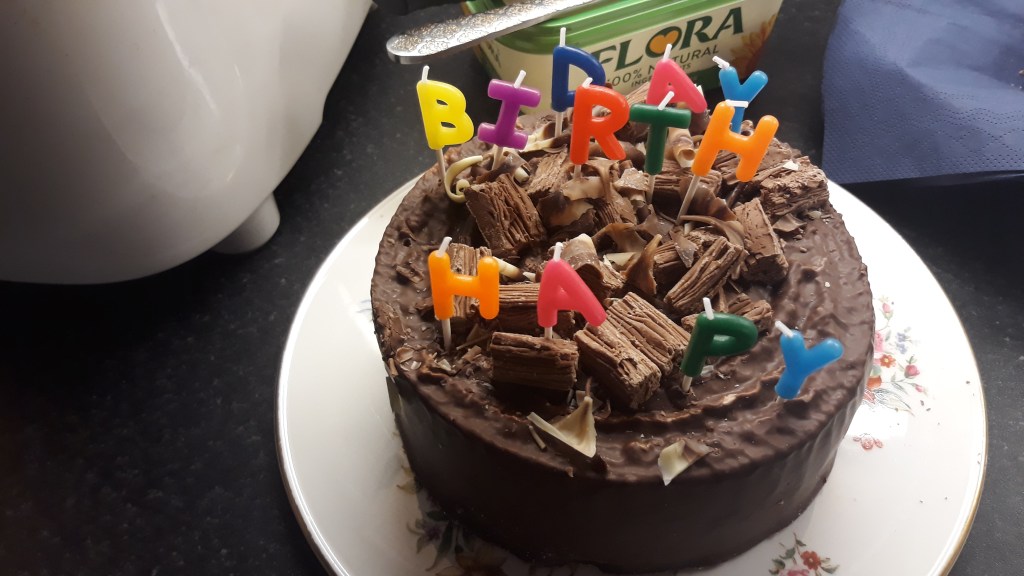
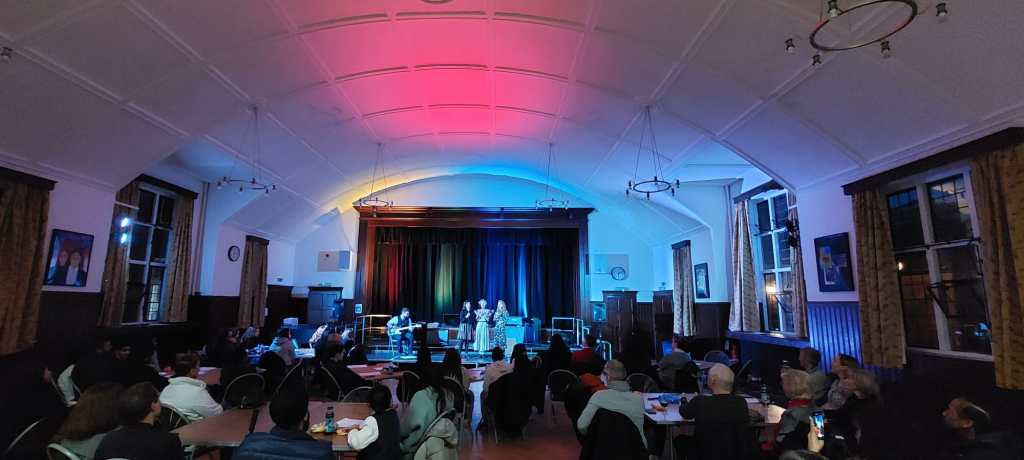
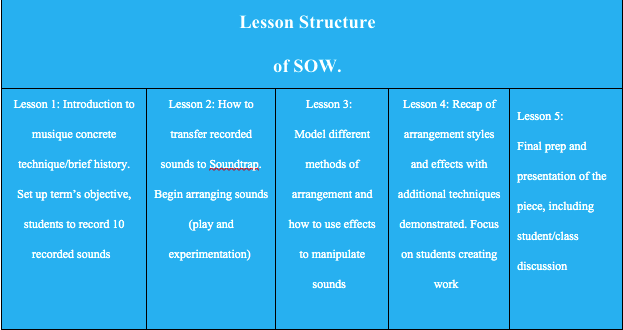

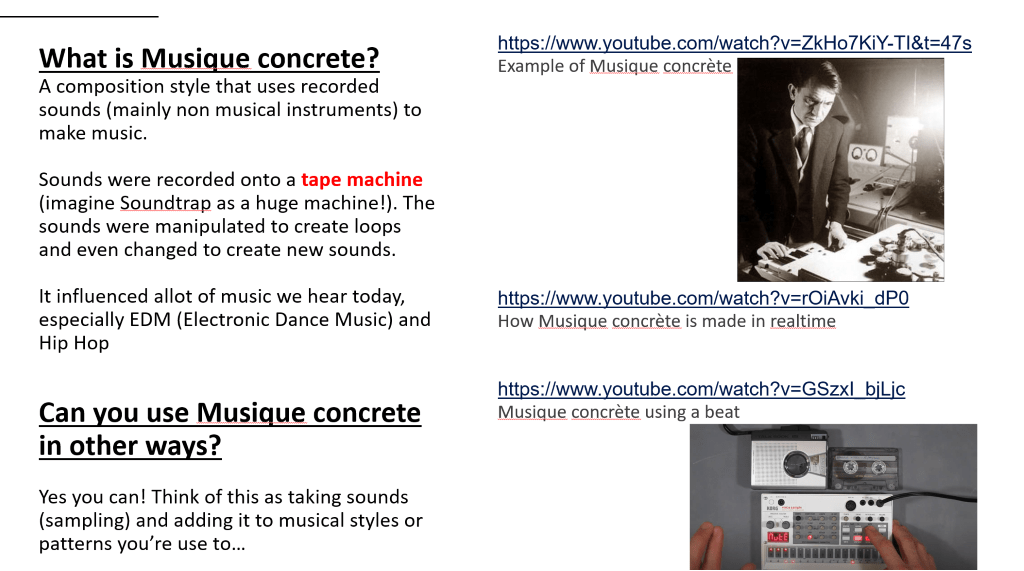
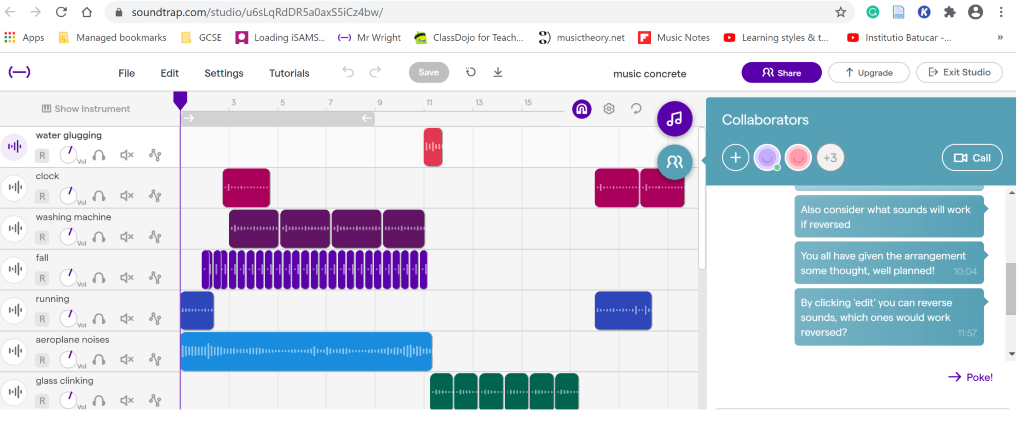
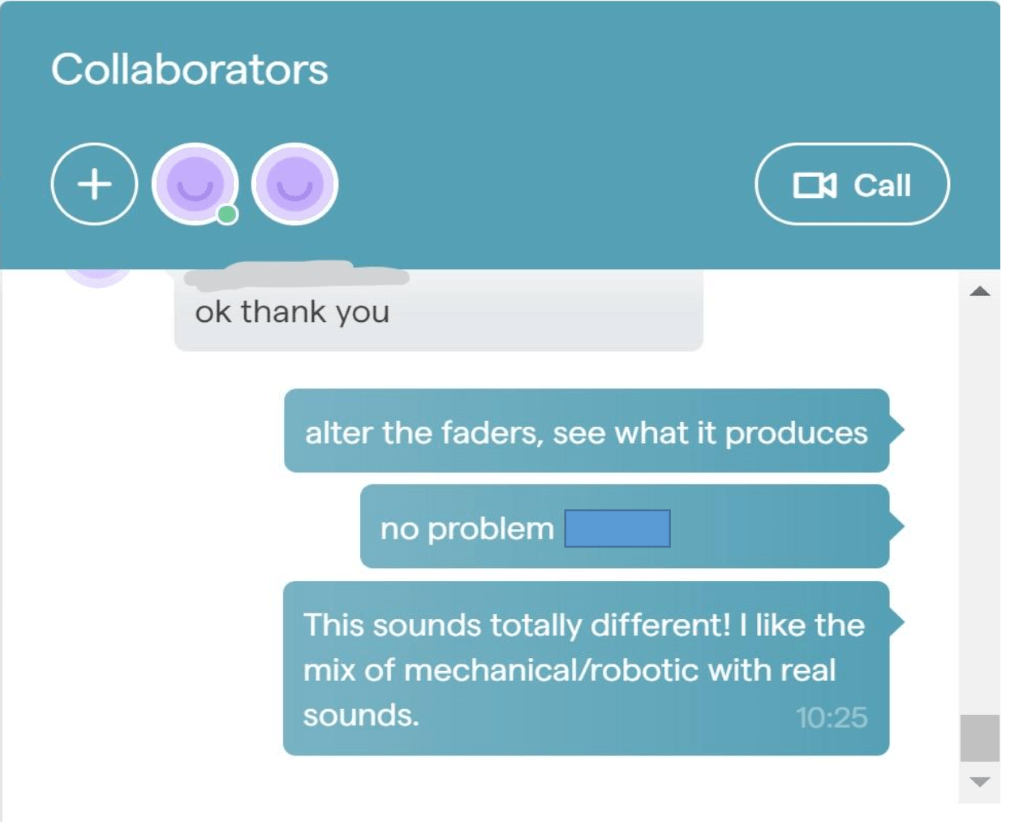

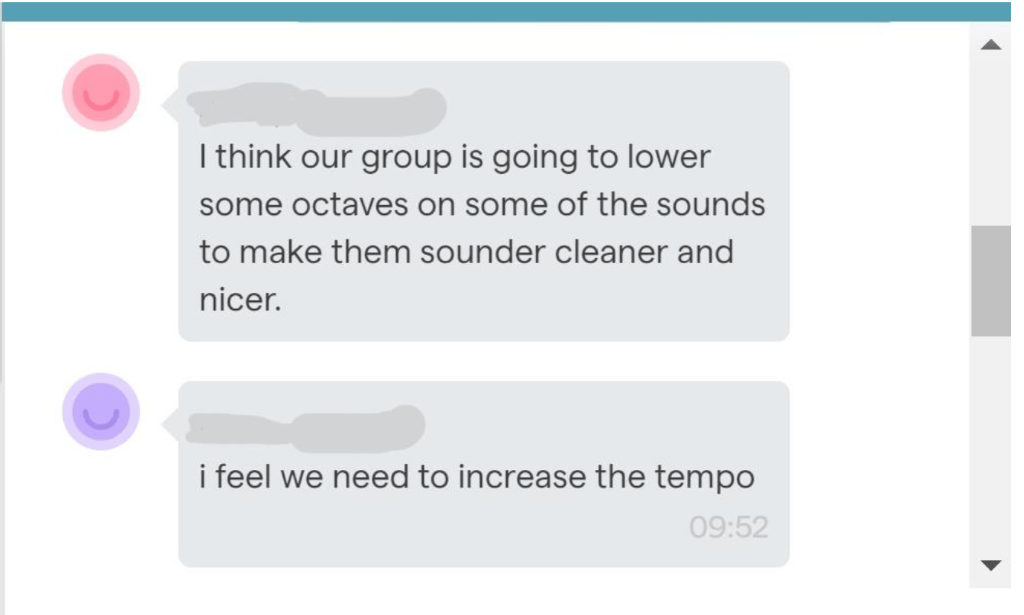
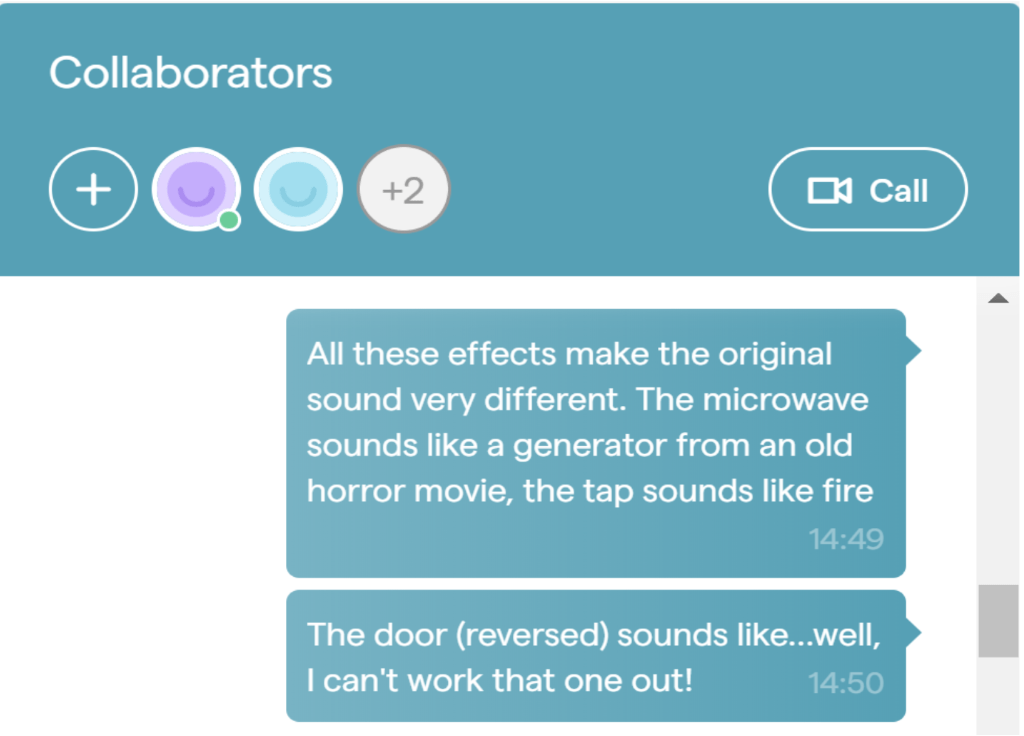

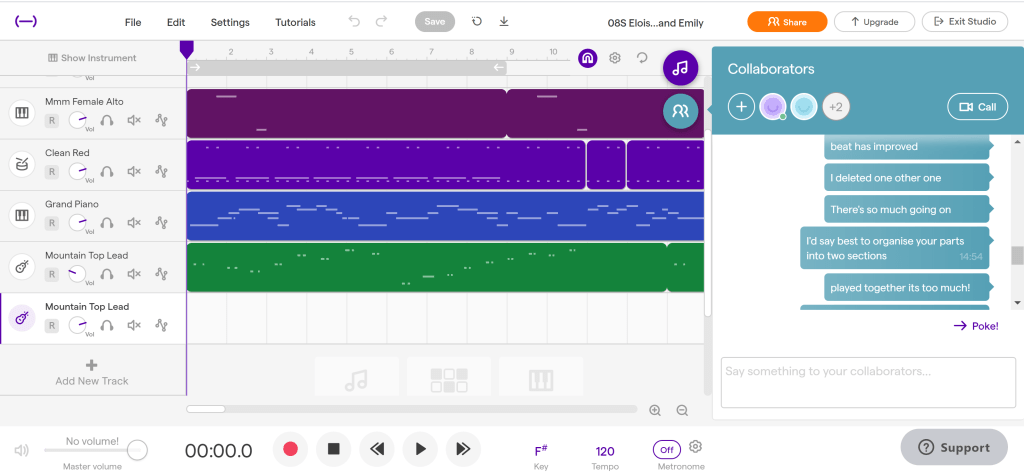
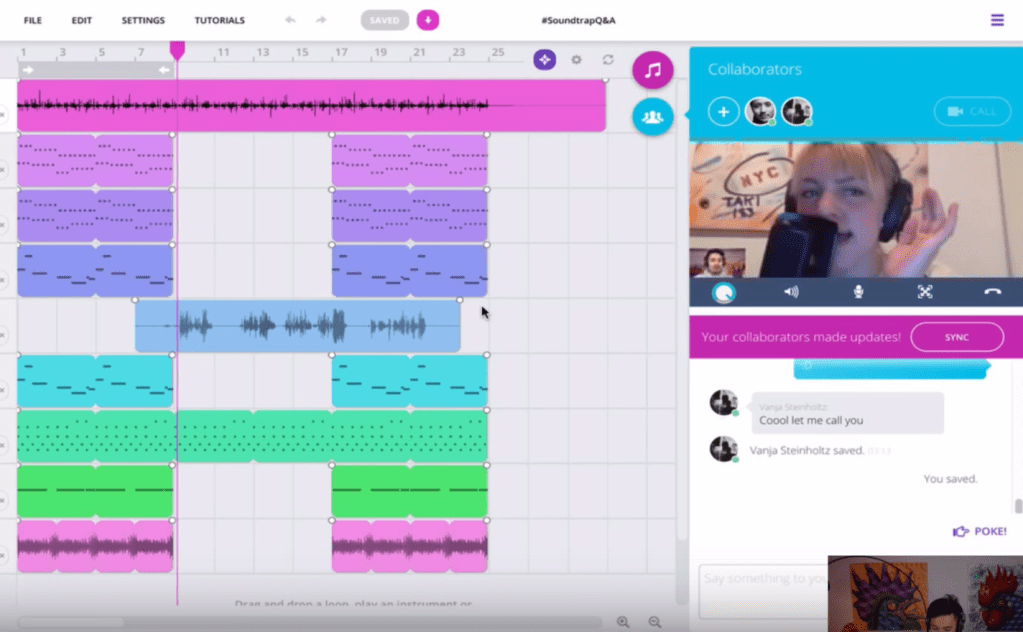
 Mike Wright Music Education