
Its the year 10 class, coming up to the end of term, haven’t seen them in weeks and we’re all knackered, creatively speaking. Out of the blue one of my students (knowing I am a huge fan of pro wrestling) suggests they take a crack at writing a wrestlers entrance theme, brilliant! So I detailed the details on characters, leitmotif, melodic ideas and listened to models of themes and they produced some great work (they also had me enter the classroom as the wrestler they wrote for) Fast forward to this half term and I decided to write my own theme, I found some ideas already written on an ass-kicking, high flying tag team with a nod to the ’90s and I came up with this, having looked through my compositions plus transcriptions I realised there were allot of pastiche work there and it dawned on me, that’s how I have learned music!
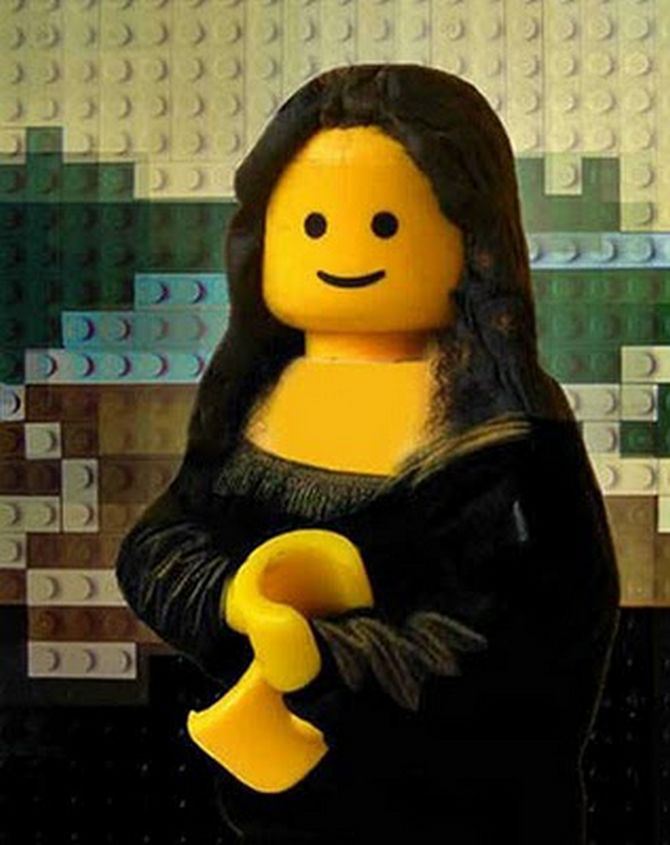
Composing pastiche is a fascinating way to learn how to write music, it requires you not only to study a particular area in detail but to consider everything outside of the stereotypical, one must delve into what makes something tick, learn the technique and put something down as authentically as possible.
As for using pastiche to teach music, it does require the right context; GCSE composition would be an obvious choice but you can easily use it for younger composition classes.
What I found works best is to spend time getting your students familiar with the elements of the genre or period, getting them to follow scaffold-ed musical models to copy, next set up a research topic so they can look at the theory/context behind what they have learned (you may be thinking, why not get them to research first, then explore? My argument would be that it is pointless to go read up about something you have no idea about, the facts will not have any meaning as the mind has not made connections to knowledge, it also helps students road map better when traversing the difficult areas)
Next up is to begin writing. This is where you are needed the most as careful guidance is used to correct any wrong assumptions.
I would always go back to other examples as the lessons go on and reference more from the source material and more importantly, encourage freedom and ideas as you do not want to put off students by limiting creativity if some ideas don’t work, ask them to save it for another composition.
Of course, pastiche might not work for some students, a more rigid structure of learning composition with structural templates might be needed, but even if you are working with students who show promise in say rhyme or making beats, pastiche can easily work.
I have used this great video on hip hop artists rhyme (link here) for instance with great success. With this pastiche I got students to think about a particular artist (Drake in this instance) play examples from his era and deconstruct the music. For beat makers, it is the same principle and I had loads of fun with one student when using my J Dilla example.
Pastiche uses what I think we as humans have been doing all along, learning models of how to do things. I find it a lot of fun and have developed so much from it during my uni years, for something as complex as music its a great way for any student to develop musical language.
Let me know how you get on with this, it will be great to hear your thoughts!
Inspired by:
Kleon, A 2012, Steal like an artist, Workman; 01 edition, NY
Hobsbawm, E (Editor) 2012, The invention of tradition, Cambridge University Press; Reissue edition, UK
Kirby Ferguson. (2016). Everything is a Remix Remastered (2015 HD). [Online Video]. 16 May 2016. Available from: https://www.youtube.com/watch?v=nJPERZDfyWc. [Accessed: 14 August 2018].

 Mike Wright Music Education